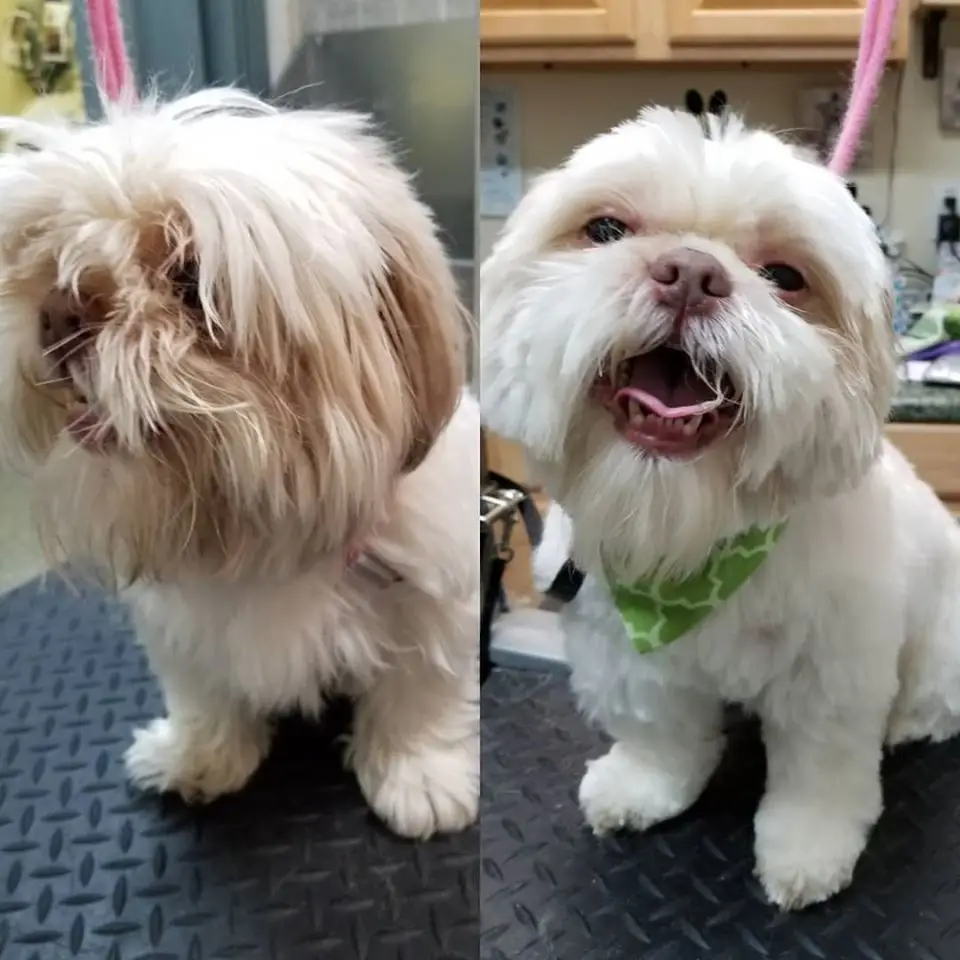
Keeping your dog clean and well-groomed is about more than helping them look and smell their best. Regular grooming plays an important role in maintaining your dog’s skin, coat, and overall health. From brushing and bathing to nail trimming and ear care, a consistent grooming routine can help prevent discomfort and allow you to identify potential health concerns early.
But how often should you groom your dog? The answer depends on several factors, including their breed, coat type, lifestyle, and individual health needs.
Whether your dog enjoys exploring the trails around Roanoke, Virginia, or prefers relaxing at home, understanding their grooming needs can help you keep them comfortable and healthy.
At Big Lick Veterinary Services, we’re here to help you establish a grooming routine that supports your dog’s health at every stage of life.
Why Is Regular Dog Grooming Important?
Regular grooming helps maintain your dog’s skin and coat while providing an opportunity to check for changes in their physical health.
Without proper grooming, some dogs may develop tangled or matted fur, irritated skin, overgrown nails, or other uncomfortable conditions.
A consistent grooming routine can help:
- Maintain a healthy coat: Brushing removes loose hair, dirt, and debris while helping distribute natural oils throughout the coat.
- Prevent painful matting: Regular brushing and professional grooming can help prevent tangles that pull on the skin and cause discomfort.
- Support skin health: Grooming provides an opportunity to identify redness, irritation, parasites, or unusual changes in your dog’s skin.
- Maintain comfortable nail length: Regular nail trimming helps prevent overgrown nails that can interfere with walking or cause injury.
- Identify potential health concerns: Grooming allows you to check for lumps, bumps, ear problems, and other changes that may require veterinary attention.
Although grooming is an important part of preventive care, it does not replace routine veterinary examinations.
If you notice persistent itching, unusual skin changes, or other concerning symptoms during grooming, contact your veterinarian.
How Often Should You Groom Your Dog?
Your dog’s ideal grooming schedule depends largely on their coat type, breed, activity level, and individual needs.
Some dogs require daily brushing and regular professional grooming, while others may need only occasional baths and weekly brushing.
The following table provides general grooming recommendations based on coat type.
| Coat Type | Recommended Grooming Routine |
|---|---|
| Short, smooth coats | Brush approximately once a week and bathe as needed. |
| Medium-length coats | Brush several times a week to remove loose hair and prevent tangles. |
| Long or curly coats | Brush daily or several times a week, with regular professional grooming when needed. |
| Double coats | Brush several times a week, increasing frequency during seasonal shedding. |
| Wire-haired coats | Brush regularly and consider breed-specific professional grooming techniques. |
These are general guidelines. Your dog’s grooming needs may vary depending on their individual coat, skin health, and daily activities.
For example, a long-haired dog that frequently hikes through wooded areas around the Roanoke Valley may require more frequent brushing and coat inspections than a short-haired dog that spends most of their time indoors.
Your veterinarian or professional groomer can help you determine an appropriate grooming routine for your dog.
How Often Should You Bathe Your Dog?
Most dogs do not need frequent baths unless they become dirty, develop an unpleasant odor, or have a medical condition that requires regular bathing.
For many healthy dogs, bathing approximately every four to eight weeks may be appropriate, although some dogs need baths more or less frequently.
Factors that influence bathing frequency include:
- Coat type and length.
- Outdoor activity level.
- Skin sensitivity or allergies.
- Exposure to dirt, mud, or other environmental irritants.
- Veterinarian-recommended treatments for skin conditions.
Bathing your dog too frequently, particularly with harsh or inappropriate products, may remove natural oils and contribute to dry or irritated skin.
Always use a shampoo formulated specifically for dogs. Human shampoos and other household cleaning products may irritate your dog’s skin.
If your dog has allergies, recurring skin infections, or another dermatological condition, your veterinarian may recommend a medicated shampoo and a specific bathing schedule.
Can You Bathe Your Dog Too Often?
Yes. Excessive bathing can contribute to dry skin, irritation, and changes in your dog’s coat.
However, dogs with certain skin conditions may benefit from more frequent bathing with veterinarian-recommended products.
If your dog develops redness, excessive scratching, flaking, or other skin problems after bathing, contact your veterinarian for guidance.
How Often Should You Brush Your Dog?
Brushing is one of the most important parts of a regular dog grooming routine.
It helps remove loose fur, prevent tangles, and identify changes in your dog’s skin.
Short-haired dogs may only need brushing once or twice a week, while dogs with long, curly, or thick coats may require daily brushing.
For dogs with double coats, regular brushing can help manage shedding and remove loose undercoat, particularly during seasonal coat changes.
When brushing your dog, use a brush or comb appropriate for their coat type and work gently to avoid irritating their skin.
Pay particular attention to areas where tangles commonly develop, including behind the ears, under the legs, around the collar, and near the tail.
If your dog has severe matting, avoid attempting to cut the mats out with scissors. Mats can pull the skin tightly, increasing the risk of accidentally cutting your dog.
A professional groomer or veterinarian can help determine the safest way to remove severe matting.
How Often Should You Trim Your Dog’s Nails?
Most dogs need their nails trimmed approximately every three to four weeks, although the ideal frequency depends on how quickly their nails grow and how much they naturally wear down.
Dogs that regularly walk on pavement may experience more natural nail wear than dogs that primarily walk on grass or soft surfaces.
However, even active dogs may still require routine nail trimming.
Signs that your dog’s nails may be too long include:
- Nails clicking against hard floors.
- Nails extending noticeably beyond the paw pads when standing.
- Difficulty walking comfortably.
- Nails beginning to curl toward the paw pads.
- Changes in posture or the way your dog distributes weight.
Overgrown nails can cause discomfort, interfere with normal walking, and increase the risk of broken nails or injuries.
If you’re uncomfortable trimming your dog’s nails at home, ask your veterinarian or a professional groomer for assistance.
What Happens If You Cut Your Dog’s Nail Too Short?
A dog’s nail contains a sensitive area called the quick, which contains blood vessels and nerves.
Cutting into the quick can cause bleeding and discomfort.
If you accidentally cut your dog’s nail too short, apply gentle pressure and use a pet-safe styptic powder if available.
If bleeding continues despite applying pressure, or your dog appears to be in significant pain, contact your veterinarian.
For dogs with dark nails, where the quick may be difficult to see, trimming small amounts at a time can help reduce the risk of injury.
Should You Clean Your Dog’s Ears During Grooming?
Checking your dog’s ears regularly is an important part of their grooming routine.
Healthy ears should generally be free of excessive discharge, strong odors, and noticeable inflammation.
Some dogs, particularly those with floppy ears, allergies, or a history of ear infections, may require more frequent monitoring.
However, not every dog needs routine ear cleaning.
If your veterinarian recommends cleaning your dog’s ears, use a veterinarian-approved ear cleaning solution and follow their instructions.
Avoid inserting cotton swabs deep into your dog’s ear canal, as this may cause injury or push debris farther into the ear.
Contact your veterinarian if you notice:
- Frequent head shaking or ear scratching.
- Redness or swelling.
- An unusual or unpleasant odor.
- Dark or excessive ear discharge.
- Pain when touching the ears.
These symptoms may indicate an ear infection or another underlying condition that requires veterinary evaluation.
Can Regular Grooming Help Prevent Skin Problems?
Regular grooming can help maintain your dog’s skin and coat, but it cannot prevent every skin condition.
During brushing and bathing, take a few moments to examine your dog’s skin for unusual changes.
Look for redness, flaking, hair loss, lumps, bumps, parasites, or areas that appear painful or irritated.
Dogs can develop skin problems for many reasons, including allergies, parasites, infections, and underlying medical conditions.
For pet owners in Roanoke, Virginia, outdoor activities may increase opportunities for exposure to ticks, fleas, and environmental allergens.
Checking your dog’s coat after walks, hikes, or time spent in wooded and grassy areas can help you identify ticks and other potential concerns.
If your dog is experiencing persistent itching, excessive paw licking, recurring skin irritation, or unusual hair loss, schedule a veterinary appointment.
Your veterinarian can help determine the underlying cause and recommend appropriate treatment.
When Should You Take Your Dog to a Professional Groomer?
Although many grooming tasks can be performed at home, some dogs benefit from regular professional grooming.
Professional grooming may be particularly helpful for dogs with long, curly, or continuously growing coats that require routine trimming.
A professional groomer can assist with services such as bathing, brushing, coat trimming, nail trimming, and managing certain types of matting.
The frequency of professional grooming depends on your dog’s breed, coat type, and individual needs.
Some dogs may benefit from professional grooming every four to eight weeks, while others require less frequent visits.
If your dog has severe matting, painful skin irritation, or another medical concern, consult your veterinarian before scheduling a grooming appointment.
When Should You See a Veterinarian Instead of a Groomer?
While professional groomers can help maintain your dog’s coat and hygiene, certain symptoms require veterinary attention.
Schedule a veterinary appointment if your dog is experiencing:
- Persistent itching or excessive scratching.
- Red, inflamed, or painful skin.
- Recurring ear infections or unusual ear discharge.
- Unexplained hair loss or bald patches.
- Lumps, bumps, or changes in existing skin growths.
- Painful or infected nails.
- Open wounds or skin lesions.
These symptoms may indicate an underlying medical condition that cannot be resolved through routine grooming alone.
If your dog develops a sudden skin problem, painful ear infection, or another unexpected health concern, contact your veterinarian to determine whether a prompt appointment is appropriate.
Dog Grooming and Preventive Veterinary Care in Roanoke, VA
Maintaining a consistent grooming routine is an important part of keeping your dog comfortable and healthy.
Whether your dog enjoys hiking along the Blue Ridge Parkway, exploring local parks, or relaxing at home, regular grooming can help you monitor their skin, coat, nails, and overall well-being.
At Big Lick Veterinary Services in Roanoke, Virginia, our veterinary team provides preventive care and medical evaluations for dogs experiencing skin, ear, and other health concerns.
If you notice unusual changes in your dog’s skin or coat during grooming, our team can help identify potential underlying conditions and recommend appropriate care.
Keep Your Dog Healthy and Comfortable With Big Lick Veterinary Services
Regular grooming, routine wellness examinations, and preventive veterinary care all play a role in supporting your dog’s long-term health.
If your dog is experiencing persistent itching, skin irritation, ear problems, or other grooming-related health concerns, the team at Big Lick Veterinary Services is here to help.
Contact Big Lick Veterinary Services in Roanoke, VA, to schedule your dog’s next veterinary appointment.
Our team can evaluate your dog’s symptoms, discuss their individual care needs, and recommend appropriate treatment to help them stay comfortable and healthy.