If your dog suddenly starts limping, favoring one leg, or having difficulty walking, it’s natural to wonder what might be causing their discomfort. Maybe they started limping after playing in the backyard, or perhaps you noticed them moving differently after waking up from a nap.
While some cases of limping are caused by minor injuries, others may indicate joint problems, ligament injuries, or underlying medical conditions that require veterinary attention.
For dog owners in Roanoke, Virginia, understanding the potential causes of limping can help you recognize when your pet needs prompt veterinary care.
At Big Lick Veterinary Services, we help pet owners identify the causes of their dogs’ mobility problems and determine appropriate treatment options. Here’s what you should know about why dogs limp, common warning signs, and when to schedule a veterinary appointment.
What Causes a Dog to Limp?
Limping, also called lameness, occurs when a dog changes the way they walk or distributes their weight because of pain, discomfort, weakness, or another mobility problem.
Some dogs may favor one leg, while others may refuse to put weight on an affected limb.
Limping can develop suddenly following an injury or gradually over time because of an underlying medical condition.
Common causes of limping in dogs include:
1. Paw Injuries or Foreign Objects
Dogs can injure their paws while walking, running, or exploring outdoors.
Small cuts, torn paw pads, broken nails, or foreign objects lodged between the toes can cause discomfort and lead to limping.
For dogs that enjoy exploring parks and trails around Roanoke, Virginia, paw injuries may occur after stepping on sharp rocks, thorns, or other debris.
Signs of a paw injury may include:
- Licking or chewing at one paw.
- Visible cuts, swelling, or bleeding.
- Favoring one leg while walking.
- Discomfort when the paw is touched.
If your dog suddenly begins limping, carefully examine their paw for visible injuries or foreign objects.
Avoid attempting to remove deeply embedded objects or manipulating an injured paw if your dog appears to be in significant pain.
2. Muscle Strains and Sprains
Dogs can develop muscle strains or ligament sprains after running, jumping, playing, or participating in other physical activities.
A dog may begin limping after an unusually active day or following an awkward movement while playing.
Mild soft tissue injuries may cause temporary discomfort, while more significant injuries can affect your dog’s ability to walk normally.
Because it can be difficult to distinguish a minor strain from a more serious injury at home, contact your veterinarian if your dog develops persistent or sudden limping.
3. Torn Cranial Cruciate Ligament (CCL)
The cranial cruciate ligament helps stabilize a dog’s knee joint.
When this ligament becomes partially or completely torn, dogs may develop hind leg limping, difficulty bearing weight, or reluctance to participate in normal activities.
A CCL injury may occur during physical activity or develop gradually as the ligament weakens over time.
Common signs include:
- Limping on a back leg.
- Difficulty standing up or sitting down.
- Reluctance to run, jump, or climb stairs.
- Swelling or discomfort around the knee.
A torn CCL generally requires veterinary evaluation, and some dogs may benefit from surgical treatment depending on the severity of the injury and their individual needs.
4. Arthritis and Joint Problems
Arthritis is a common cause of limping, particularly in middle-aged and senior dogs.
Osteoarthritis occurs when the cartilage within a joint deteriorates, leading to inflammation, pain, and reduced mobility.
Dogs with arthritis may develop gradual changes in their movement rather than sudden, severe limping.
You may notice your dog:
- Moving more slowly after resting.
- Having difficulty getting up from a lying position.
- Hesitating before jumping onto furniture.
- Becoming less interested in walks or playtime.
- Limping more noticeably after exercise.
Although arthritis cannot be cured, veterinary treatment can help manage pain and support your dog’s mobility and quality of life.
5. Hip Dysplasia and Other Orthopedic Conditions
Hip dysplasia occurs when the hip joint does not develop or fit together properly, potentially leading to joint instability, pain, and arthritis.
Although hip dysplasia is more common in certain large dog breeds, it can affect dogs of different sizes.
Other orthopedic conditions, including patellar luxation, elbow dysplasia, and developmental joint disorders, may also contribute to limping.
If your dog experiences recurring lameness or difficulty walking, your veterinarian may recommend diagnostic imaging or additional orthopedic evaluation.
6. Infections and Tick-Borne Diseases
Certain infections and tick-borne illnesses can cause joint pain, inflammation, and limping in dogs.
Lyme disease, which is transmitted through the bite of an infected tick, can cause symptoms such as lameness, fever, lethargy, and decreased appetite.
For dogs living in Roanoke and the surrounding Roanoke Valley, outdoor activities in wooded or grassy environments may increase opportunities for tick exposure.
However, not every dog with Lyme disease develops noticeable limping, and many other conditions can cause similar symptoms.
If your dog develops unexplained limping accompanied by fever, lethargy, or other signs of illness, schedule a veterinary appointment.
Maintaining veterinarian-recommended tick prevention is an important part of reducing your dog’s risk of tick-borne diseases.
Why Is My Dog Limping on Their Front Leg?
If your dog is limping on a front leg, the source of discomfort may involve their paw, wrist, elbow, shoulder, or surrounding muscles and ligaments.
Common causes of front leg limping include:
- Paw pad injuries or broken nails.
- Muscle strains or soft tissue injuries.
- Elbow dysplasia or arthritis.
- Shoulder injuries.
- Fractures or other traumatic injuries.
Some dogs may develop front leg limping gradually because of joint disease, while others may suddenly begin favoring a leg after an injury.
If your dog is consistently limping on a front leg, your veterinarian can perform a physical examination to help identify the source of discomfort.
Why Is My Dog Limping on Their Back Leg?
Hind leg limping may be associated with injuries or conditions affecting the paw, knee, hip, or surrounding muscles.
Common causes include:
- Cranial cruciate ligament injuries.
- Patellar luxation.
- Hip dysplasia.
- Arthritis.
- Muscle strains.
- Paw injuries.
Some dogs with hind leg injuries may briefly lift the affected leg while walking, while others may avoid putting weight on it altogether.
If your dog suddenly develops significant hind leg limping, particularly after running or jumping, contact your veterinarian for guidance.
Why Is My Dog Limping but Not Crying?
Dogs do not always vocalize when they are experiencing pain.
Some dogs may continue walking, eating, or participating in normal activities despite having an injury or underlying medical condition.
If your dog is limping but not crying, they may still be experiencing discomfort.
Other subtle signs of pain may include:
- Reluctance to climb stairs or jump.
- Changes in posture or walking patterns.
- Excessive licking of an affected leg.
- Decreased interest in exercise or play.
- Restlessness or difficulty getting comfortable.
- Changes in appetite or behavior.
The absence of crying does not mean your dog is pain-free.
If your dog is limping, even if they appear otherwise comfortable, contact your veterinarian to determine whether an examination is necessary.
What Should I Do If My Dog Suddenly Starts Limping?
If your dog begins limping unexpectedly, taking a few precautions can help prevent additional injury while you determine whether veterinary care is needed.
1. Limit your dog’s activity.
Avoid running, jumping, climbing stairs, and other strenuous activities until your dog has been evaluated or your veterinarian advises that normal activity is safe.
Keep walks short and limited to necessary bathroom breaks.
2. Check for visible injuries.
If your dog allows you to do so safely, gently examine their paw for cuts, broken nails, swelling, or foreign objects.
Do not force your dog to move an injured leg or manipulate an area that appears painful.
3. Avoid giving human pain medications.
Many common human medications, including ibuprofen, naproxen, and acetaminophen, can be dangerous or toxic to dogs.
Do not give your dog medication unless specifically directed by your veterinarian.
4. Contact your veterinarian.
Describe when the limping started, which leg appears affected, and whether your dog is able to bear weight.
Your veterinary team can help determine whether a same-day appointment or immediate emergency care is appropriate.
When Should I Take My Limping Dog to the Vet?
Limping is often a sign that your dog is experiencing pain or another mobility problem.
Although some minor injuries may improve with rest, it is not always possible to determine the severity of an injury based on your dog’s behavior alone.
Contact your veterinarian promptly if your dog is experiencing:
- Sudden or persistent limping.
- Difficulty putting weight on one leg.
- Swelling around a joint or paw.
- Reluctance to walk, run, or climb stairs.
- Recurring episodes of limping.
- Pain when an affected leg is touched.
- Limping accompanied by changes in appetite, energy, or behavior.
Your veterinarian can help determine whether your dog needs a same-day appointment or additional diagnostic testing.
When Is Limping an Emergency?
Some injuries and mobility problems require immediate emergency veterinary attention.
Seek emergency care if your dog:
- Cannot stand or walk.
- Has a visibly deformed or broken limb.
- Is experiencing severe pain or distress.
- Has an open fracture or uncontrolled bleeding.
- Develops sudden paralysis or is dragging one or more legs.
- Has experienced significant trauma, such as being hit by a vehicle.
If your dog has experienced a serious injury, avoid unnecessary movement and seek emergency veterinary care immediately.
How Is Limping in Dogs Diagnosed?
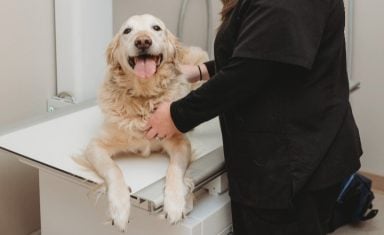
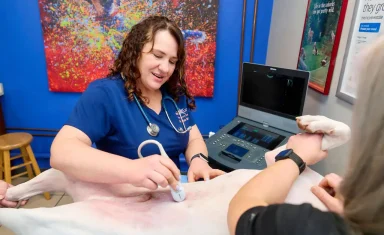
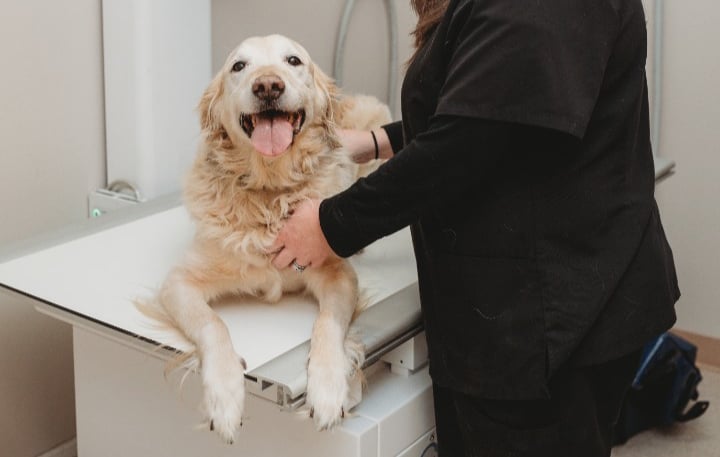
If your dog is experiencing limping or difficulty walking, your veterinarian will begin by reviewing their medical history and performing a physical examination.
Your veterinarian may ask questions about when the limping began, whether your dog recently experienced an injury, and whether their symptoms have changed over time.
During the examination, your veterinarian may evaluate your dog’s gait, joints, muscles, paws, and overall mobility.
Depending on the suspected cause, additional diagnostic testing may be recommended.
This may include:
- X-rays: To evaluate bones, joints, and certain orthopedic conditions.
- Bloodwork: To investigate possible infections, inflammation, or underlying medical conditions.
- Tick-borne disease testing: When symptoms and exposure history suggest a possible tick-borne illness.
- Additional orthopedic evaluation: To assess ligament injuries or other musculoskeletal problems.
Your veterinarian will recommend diagnostic testing based on your dog’s symptoms and individual needs.
How Is Limping in Dogs Treated?
Treatment for limping depends on the underlying cause, severity of the condition, and your dog’s overall health.
For example, a minor paw injury may require wound care and temporary activity restrictions, while a ligament injury or fracture may require more extensive treatment.
Depending on your dog’s diagnosis, your veterinarian may recommend:
- Rest and activity modification.
- Veterinarian-prescribed pain medications or anti-inflammatory treatments.
- Wound care or treatment for infections.
- Physical rehabilitation.
- Weight management to reduce stress on affected joints.
- Surgery for certain orthopedic injuries or conditions.
Your veterinarian will develop an individualized treatment plan to address the underlying cause of your dog’s limping and help restore their comfort and mobility.
Avoid attempting to treat persistent limping at home without veterinary guidance, as some conditions can worsen without appropriate care.
Same-Day Veterinary Appointments for Limping Dogs in Roanoke, VA
If your dog is suddenly limping or showing signs of discomfort while walking, Big Lick Veterinary Services is here to help.
Our veterinary team provides care for dogs throughout Roanoke, Virginia, and the surrounding communities.
Whether your dog has developed a paw injury, is experiencing joint discomfort, or has an unexplained change in mobility, our team can evaluate their symptoms and recommend appropriate care.
We also offer same-day veterinary appointments for certain unexpected illnesses and injuries, helping Roanoke pet owners access timely care when their dogs aren’t feeling their best.
If your dog is limping, contact our team to discuss their symptoms and determine whether a same-day appointment is appropriate.
Is Your Dog Limping? Schedule a Veterinary Appointment in Roanoke, VA
Limping can be a sign of an injury, joint condition, or another underlying health concern.
At Big Lick Veterinary Services, we’re committed to helping dogs throughout the Roanoke Valley stay comfortable, active, and healthy.
Contact Big Lick Veterinary Services in Roanoke, VA, to discuss your dog’s symptoms and request an appointment.
Same-day appointments may be available for dogs experiencing unexpected limping or minor injuries.
Schedule Your Dog’s Vet Appointment
Same-day appointments are subject to availability. If your dog is experiencing severe pain, significant trauma, or an inability to stand or walk, seek immediate emergency veterinary care.