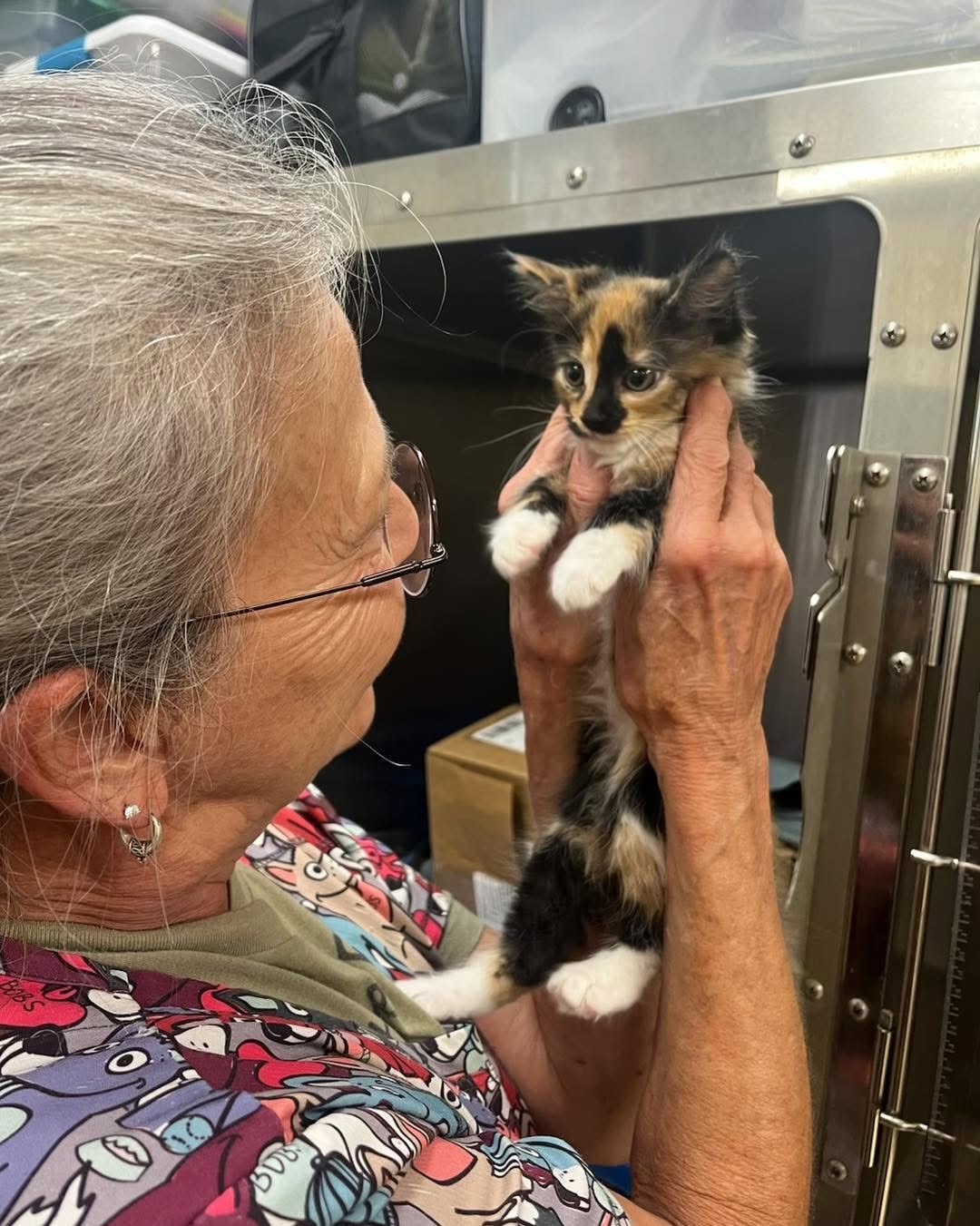
Bringing home a new kitten is an exciting experience! Between picking out toys, finding the perfect food, and helping your new companion settle in, there’s a lot to think about. One of the most important steps you can take to protect your kitten’s health is making sure they receive their recommended vaccinations.
If you’re a new kitten owner in Roanoke, Virginia, you may be wondering: What vaccines do kittens need first? When should they receive their first shots? And do indoor kittens need vaccinations, too?
At Big Lick Veterinary Services, we’re here to help you navigate your kitten’s first year of veterinary care. Here’s what you need to know about kitten vaccinations, recommended schedules, and how to give your new feline friend a healthy start.
When Should Kittens Get Their First Vaccines?
Most kittens should receive their first vaccinations between 6 and 8 weeks of age, followed by additional vaccinations every 3–4 weeks until they are approximately 16–20 weeks old.
During their first few weeks of life, kittens receive some protection against infectious diseases through antibodies passed from their mothers. However, this protection gradually decreases as they grow, leaving them vulnerable to potentially serious illnesses.
Vaccinations help your kitten develop their own immune defenses as maternal antibodies decline.
Because every kitten is different, your veterinarian will recommend a vaccination schedule based on their age, health, previous vaccination history, and potential exposure to infectious diseases.
If you’ve recently adopted a kitten from a shelter, rescue organization, or another family, bring any available vaccination records to their first veterinary appointment. This will help your veterinarian determine which vaccines your kitten has already received and what they may still need.
What Vaccines Do Kittens Need?
Kittens need several essential vaccinations during their first year of life. These vaccines help protect against contagious diseases that can cause serious illness and, in some cases, be life-threatening.
The core vaccines recommended for kittens include FVRCP, rabies, and feline leukemia virus (FeLV).
1. FVRCP Vaccine
The FVRCP vaccine is typically the first vaccine kittens receive, beginning around 6–8 weeks of age.
This combination vaccine helps protect against three common feline diseases:
- Feline Viral Rhinotracheitis (Feline Herpesvirus-1): Feline viral rhinotracheitis is a contagious respiratory infection that can cause sneezing, nasal discharge, eye inflammation, and other upper respiratory symptoms.
- Feline Calicivirus: Feline calicivirus is another contagious virus that can cause respiratory symptoms, mouth ulcers, fever, and discomfort.
- Feline Panleukopenia: Also known as feline distemper, panleukopenia is a highly contagious viral disease that can cause severe gastrointestinal illness, dehydration, and a dangerously weakened immune system.
Young kittens are particularly vulnerable to serious complications from panleukopenia.
Because kittens need multiple doses to develop reliable protection, the FVRCP vaccine is generally administered every 3–4 weeks until approximately 16–20 weeks of age.
2. Rabies Vaccine
Rabies is a serious viral disease that affects the nervous system and can be transmitted to humans and other animals.
The disease is almost always fatal once clinical symptoms develop, making vaccination an essential part of protecting both pets and people.
In Virginia, cats are required to receive rabies vaccinations. Kittens typically receive their first rabies vaccine between 12 and 16 weeks of age, depending on the vaccine used and their veterinarian’s recommendations.
Your veterinarian will explain when your kitten needs their first rabies vaccination and when future boosters are due.
3. Feline Leukemia Virus (FeLV) Vaccine
Feline leukemia virus is a contagious infection that can weaken a cat’s immune system and increase their risk of developing serious illnesses.
The virus is primarily transmitted through close contact with infected cats, including grooming, biting, and sharing food or water bowls.
Kittens are particularly susceptible to FeLV infection, which is why vaccination is recommended during their first year of life.
The initial FeLV vaccination series typically begins at 8 weeks of age or older and includes two doses administered approximately 3–4 weeks apart.
Your veterinarian may also recommend testing your kitten for FeLV before beginning the vaccination series.
After your kitten completes their initial vaccinations, their veterinarian will determine whether continued FeLV vaccination is appropriate based on their lifestyle and risk of exposure.
Kitten Vaccination Schedule: What to Expect During the First Year
Your kitten will need several veterinary visits during their first few months to complete their initial vaccination series.
At Big Lick Veterinary Services, our kitten wellness program includes three main visits designed to help your kitten receive their recommended vaccinations, preventive treatments, and routine health screenings.
Here’s what a typical kitten vaccination schedule looks like at our Roanoke veterinary practice:
| Kitten’s Age | Recommended Vaccinations & Preventive Care |
|---|---|
| 6–9 weeks | First FVRCP vaccine, physical examination, FeLV/FIV/heartworm testing, fecal testing, deworming, and parasite prevention |
| 12 weeks | FVRCP booster, first FeLV vaccine, physical examination, fecal testing, deworming, and parasite prevention |
| 16 weeks | FVRCP booster, second FeLV vaccine, rabies vaccination, physical examination, fecal testing, and parasite prevention |
Your kitten’s exact vaccination schedule may vary depending on their age, previous vaccinations, and individual health needs.
Some kittens may require additional visits or boosters to complete their recommended vaccination series.
Looking for comprehensive kitten care in Roanoke? Learn more about our Kitten Wellness Packages and how we can help your new companion get a healthy start.
Do Indoor Kittens Need Vaccinations?
Yes! Even if your kitten will live exclusively indoors, they still need recommended vaccinations.
While indoor cats may have a lower risk of exposure to certain infectious diseases, they are not completely protected from illness.
For example, your indoor kitten could potentially encounter infectious diseases through:
- Contact with other cats in your household.
- An unexpected escape outdoors.
- Exposure to infected animals during boarding or veterinary visits.
- Contact with contaminated objects or environments.
Additionally, rabies vaccination is required for cats in Virginia, regardless of whether they live indoors or outdoors.
Your veterinarian can help determine which vaccinations your indoor kitten needs and whether additional vaccines are recommended based on their individual lifestyle.
What Happens During Your Kitten’s First Veterinary Visit?
Your kitten’s first veterinary appointment involves much more than vaccinations. It’s also an opportunity for your veterinarian to evaluate their overall health and identify potential concerns early.
During your kitten’s first wellness visit at Big Lick Veterinary Services, our veterinary team will perform a comprehensive physical examination and discuss important aspects of their health and development.
Depending on your kitten’s age and individual needs, their visit may include:
- Physical examination: Evaluating your kitten’s eyes, ears, mouth, heart, lungs, skin, and overall development.
- Vaccinations: Administering age-appropriate vaccines and establishing a schedule for future boosters.
- Parasite screening and prevention: Checking for intestinal parasites and recommending appropriate flea, tick, and heartworm prevention.
- Nutrition guidance: Discussing your kitten’s diet, feeding schedule, and nutritional needs as they grow.
- Spay or neuter recommendations: Helping you determine the appropriate time to schedule your kitten’s procedure.
Your kitten’s first appointment is also a great opportunity to ask questions about litter box habits, behavior, socialization, and introducing your new companion to other pets in your household.
Establishing a relationship with a veterinarian early in your kitten’s life can help you feel more confident about their care as they grow.
What Happens If My Kitten Misses a Vaccine?
If your kitten misses a scheduled vaccination, don’t panic! However, it’s important to contact your veterinarian to determine when they should receive their next dose.
Kittens need multiple vaccinations during their first few months because their immune systems are still developing.
Missing a scheduled booster may leave your kitten vulnerable to certain infectious diseases, particularly if they have not completed their initial vaccination series.
Depending on your kitten’s age, vaccination history, and the amount of time since their last dose, your veterinarian may recommend adjusting their vaccination schedule.
Avoid exposing your kitten to unfamiliar cats or environments with a higher risk of infectious disease until your veterinarian confirms they have received appropriate protection.
Where Can I Get My Kitten Vaccinated in Roanoke, VA?
If you’ve recently welcomed a new kitten into your family, Big Lick Veterinary Services is here to help you navigate their first year of veterinary care.
Located in Roanoke, Virginia, our veterinary team provides comprehensive kitten wellness services for pet owners throughout the Roanoke Valley, including Cave Spring, Bent Mountain, Salem, and surrounding communities.
Our kitten wellness packages are designed to make it easier to stay on track with your kitten’s preventive care.
From their first vaccinations and parasite screenings to nutritional guidance and spay or neuter recommendations, we’re here to support your kitten’s health as they grow.
Schedule Your Kitten’s First Veterinary Appointment in Roanoke, VA
Ready to give your new kitten a healthy start?
At Big Lick Veterinary Services, we’re committed to helping your kitten grow into a happy, healthy cat. Whether your kitten is ready for their first vaccinations or needs to complete their initial vaccine series, our team is here to help.
New to Big Lick? Save $75 on your pet’s first exam!
New clients can receive $75 off their pet’s first exam with code NC75. Mention the offer when scheduling your appointment.
Schedule Your Kitten’s First Appointment or call us at (540) 776-0700.
Offer valid for new clients only. Cannot be combined with other offers.